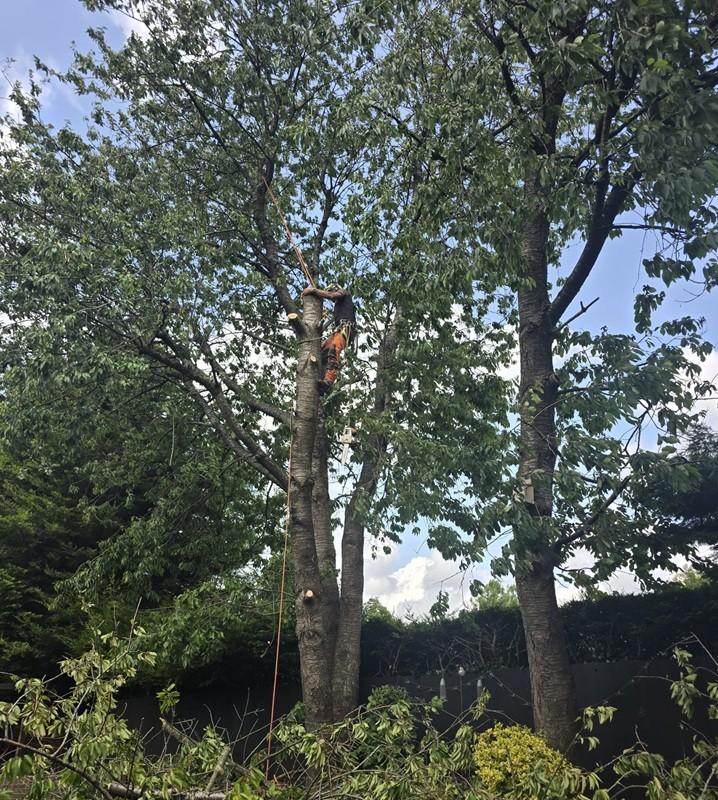
Tree Surgery in Peterborough
Tree surgery starts with the reason for intervention. A branch may be obstructing access, deadwood may be hanging above a frequently used area, or the canopy may have spread beyond the available space. These issues call for different specifications. Alex holds the relevant qualifications and certificates for his tree surgery work and can discuss the tree’s condition during an assessment. Describe what concerns you and how the surrounding space is used. A suitable proposal should identify the branches or parts of the crown involved rather than simply asking for a tree to be made smaller.
Pruning, deadwood and hazardous limbs
Pruning may involve selected branches, removal of deadwood or management of hazardous limbs. The species, existing form and previous cutting influence the decision. Large cuts can change the way a tree responds, so the extent of work needs consideration before cutting begins. Deadwood may have habitat value where it can safely remain, but material above paths or occupied areas requires a different assessment. We explain the objective of the proposed operation and discuss whether retaining the tree with proportionate work is a practical option.
Protected trees and surrounding property
A Tree Preservation Order, conservation-area location or planning condition may affect what can be undertaken. We offer advice and help with applications or notices, but approval rests with the relevant authority. Check restrictions before arranging pruning, even where a tree stands within your own boundary. Buildings, greenhouses, neighbouring fences and overhead services also influence access and handling. Let us know about shared drives or restricted gateways so that the working area can be assessed before an estimate is agreed.
From assessment to completion
We serve domestic properties and commercial sites from Market Deeping, including Peterborough. The written estimate records the agreed tree work and material handling. Branches and timber are removed unless a different arrangement is agreed, with green waste recycled where possible. Commercial operations have RAMS, and roadside tasks use Chapter 8 traffic management. If removal rather than pruning is proposed, stump grinding should be discussed separately. It is helpful to explain any future planting or landscaping plan because the required finish may affect the scope.
Turn a canopy concern into a clear pruning brief
Start by identifying the relationship between the tree and the space beneath it. Is a particular branch touching a roof, blocking the passage of a vehicle or shading a seating area? Photograph the whole crown from ground level if this is safe, then point out the specific obstruction. A request to remove a fixed amount from every branch can obscure the real problem. Recording the desired clearance helps distinguish selective pruning from reducing the overall crown, and gives the assessment a more useful starting point.
For several trees, a numbered sketch prevents confusion over which specimen is included. Mark trees that are to remain untouched as well as those causing concern. Tell us about earlier cuts, visible cavities or changes you have noticed, without climbing the tree to investigate. Tree pruning, crown thinning and crown lifting are different operations: thinning works within the canopy, whereas lifting addresses lower branches. None should be assumed to deliver the same effect as reducing the outer crown. The written estimate can identify the chosen operation for each tree.
Arrange the space beneath the branches
Look at what occupies the area where branches would otherwise fall. A greenhouse, garden furniture, stored materials or a neighbour’s fence may limit how cut sections can be handled. Mention shared driveways and explain who needs access during the proposed work. Do not move beneath a suspect limb to clear belongings yourself. During the visit, discuss which items can reasonably be relocated and which fixed structures must be considered in the method. Permission to enter neighbouring land is a separate matter from permission to work on a tree.
Before accepting the specification, compare it with the concern you originally raised. If the aim was access beneath the canopy, check that the proposed cuts address that space rather than simply making the tree shorter. If removal is being considered, discuss whether sectional dismantling or dangerous tree removal is the relevant next step, and whether the stump is included. Retaining selected logs also needs an agreed position and manageable arrangement. At completion, assess the work against the listed branches and material handling, not against an expectation that every future tree-care need has been eliminated.
Frequently asked questions
Yes. Alex holds the relevant tree surgery certificates and qualifications for his work and we carry £5 million public liability insurance. Pruning cuts follow industry best practice.
Further reading
Related services
Commercial clients
Developers, contractors, councils and facilities managers: see how we work on commercial projects.
Commercial services →Local areas
Get a Free Site Clearance or Tree Work Quote
Tell us about the job and we'll arrange a free site visit or quote from photos or drawings. Commercial and domestic enquiries welcome.