
Highway & Roadside Vegetation Clearance
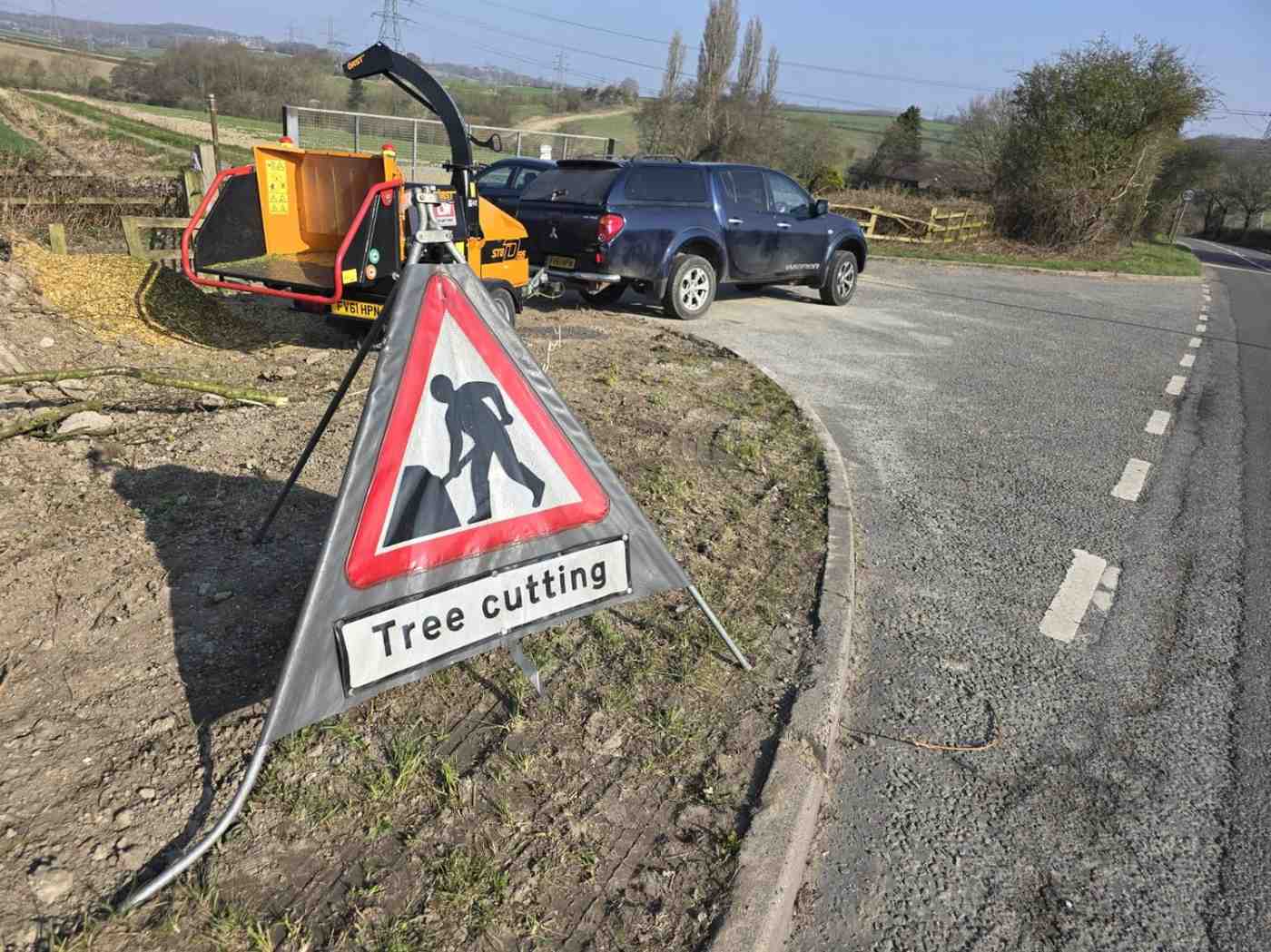
Roadside vegetation affects visibility, access and the usable space around signs, drainage and infrastructure. A clearance operation must manage those practical issues while people and traffic continue to use the surrounding network. AS Arboriculture undertakes highway vegetation clearance, hedge flailing and verge cutting, with risk assessments, RAMS and Chapter 8 traffic management for roadside work. The proposed cutting limits and access arrangements need agreement before machinery enters a live environment.
We work with commercial clients nationwide from Market Deeping. Send a marked plan, the road or corridor location and the operational objective. A requirement to reveal a sign is different from removing a long hedgerow or opening access along buried services.
Long routes benefit from numbered sections and photographs tied to the plan. A client can then distinguish a recurring maintenance stretch from an isolated obstruction needing another method. Record access gates and any requirement to notify an asset owner before arrival, making the instructions usable on the ground rather than relying only on a corridor name.
Restoring junction and signage visibility
Growth can encroach on sightlines at entrances and junctions or hide road signs and lighting. We discuss the authority's or client's required clearance rather than invent a universal visibility standard. The scope should identify the vegetation affected, the retained boundary and any trees requiring separate crown work. Cutting beside traffic needs controls for the public and work team, not simply an available verge to stand on. Site information about peak movements, pedestrian routes and adjacent property helps define the operation. Where crown lifting is appropriate, that pruning task is specified distinctly from general flailing.
Hedge flailing and verge cutting
Flailing can manage suitable hedge and verge growth along an agreed route, with the method selected around vegetation, terrain and obstructions. A routine maintenance cut differs from substantial removal or renovation of a boundary. Hidden wire, debris and drainage features need attention before operations begin. Retained planting and habitat areas should be marked in the brief. Nesting checks and any applicable agricultural hedge rules remain relevant even where visibility is the reason for cutting. The intended finish and material handling must be clear, including whether follow-up treatment or removal forms part of the quotation.
Pipelines, cables and drainage corridors
Vegetation clearance can reopen working access along utility and drainage routes, but cutting permission does not authorise excavation or approach to live equipment. Confirm asset ownership, service information and operational restrictions with the responsible party. Buried infrastructure, inspection points and watercourse edges can limit machinery and stump operations. We discuss the defined corridor rather than presume all neighbouring growth is included. Overhead electricity lines require coordination with the network operator. Drainage-side cutting also needs attention to bank stability and environmental constraints, with specialist advice or permissions identified where the proposed work requires them.
RAMS and Chapter 8 arrangements
Live environments require a plan for separating the work from vehicles, pedestrians and other operations. RAMS set out the relevant tasks and controls, supported by site-specific information and coordination with the client. Chapter 8 traffic management applies to roadside work, with necessary authority requirements and permissions established beforehand. A vegetation quotation is not itself approval to close a lane or obstruct a footway. CSCS-registered teams work within the agreed arrangements. Identify the responsible site contact and reporting route so changes in traffic conditions, access or the cutting boundary can be managed rather than improvised.
Commercial programmes and handover
A roadside programme may combine initial clearance with later verge and hedge maintenance. Define each route, priority and retained feature, including areas restricted by ecology or tree protection. Active bird nests remain protected irrespective of the calendar, and habitat advice can influence the sequence. Waste is handled to the agreed scope, with timber and green waste recycled where possible. We provide free site visits and written estimates; drawings and photographs help explain a long corridor before assessment. Our commercial and groundworks pages cover the wider client relationship, while vegetation clearance explains operations away from the particular demands of a highway environment.
Highway Vegetation Clearance: questions
No. Highway permissions and traffic arrangements are separate requirements. The responsible authority and site contact must coordinate the necessary approvals before the operation begins.
A selective scope can identify the affected signs and required visibility areas. Retained hedge sections and individual trees should be marked so clearance meets the brief without unnecessary boundary removal.
Service information and asset-owner restrictions must be established. Vegetation removal is not permission to excavate or assume buried equipment is protected from every proposed machine operation.
Further reading
Further reading
Related services
Commercial clients
Developers, contractors, councils and facilities managers: see how we work on commercial projects.
Commercial services →Local areas
Get a Free Site Clearance or Tree Work Quote
Tell us about the job and we'll arrange a free site visit or quote from photos or drawings. Commercial and domestic enquiries welcome.
